


What does it mean when “home” becomes a luxury you can’t afford?
My generation is well past middle age (unless some of us plan to live to be 110), which means nostalgia with a side of yearning for what was. I see it on Facebook daily: those of us who moved away from our hometown of Butte, Montana, lamenting the fact that it has become too expensive. Many of us, even if we wanted to, couldn’t retire back where we started. Montana’s been colonized by California money and tech-worker remote dream homes, and the math no longer makes sense for the people who were born there.
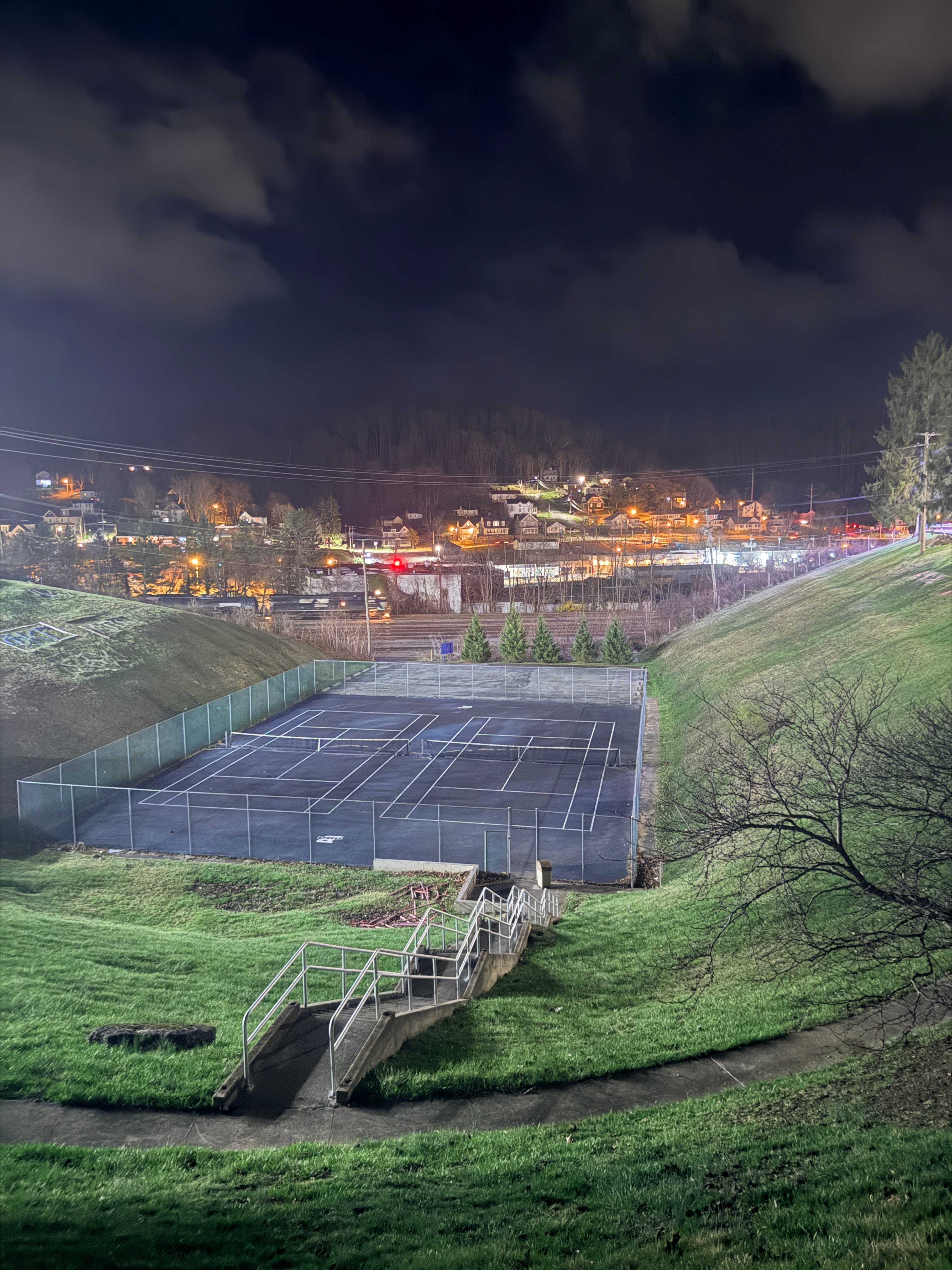
I open every morning checking the weather, looking at my calendar, checking my reminders, and choosing a quote for the day. Today it was one from Maya Angelou: “I long, as does every human being, to be at home wherever I find myself.” The question of “home” and what it means has been swirling around in my brain bucket for a while now. Especially since we are coming up on two years here in West Virginia. Is “home” the place you are born and raised, or is it something more profound? Maybe we aren’t so much yearning for a place, but a feeling. A feeling that unfortunately, is long gone. We are not the same people who were sitting around a fire in the woods blasting Guns N’ Roses, drinking cheap beer in a Solo cup. The world has moved on, and so have we.
For some context and history
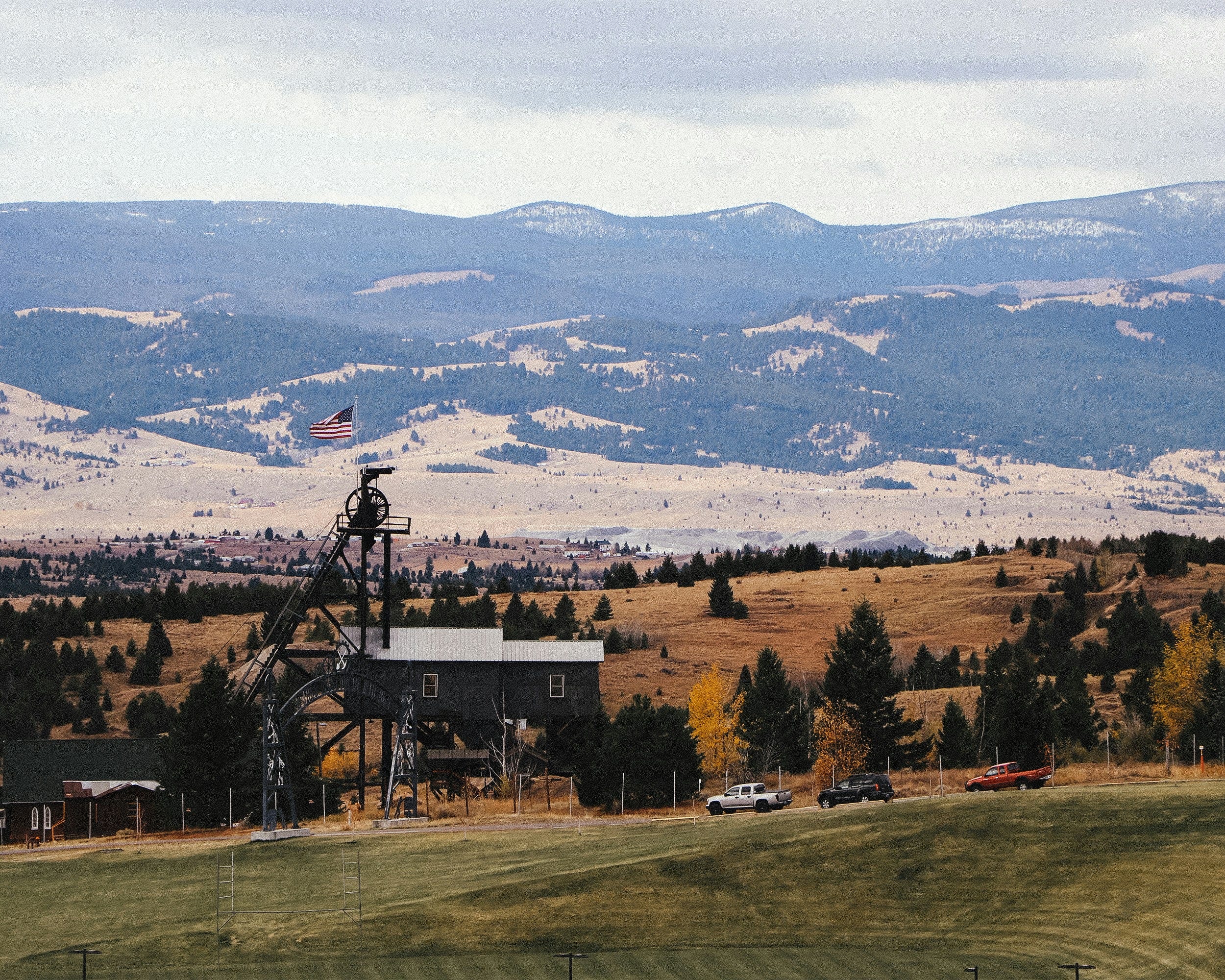
Butte in 1989 (the year I graduated from Butte High School) was still licking wounds from decades of economic free-fall. The Anaconda copper mines had largely shut down through the 1970s and ‘80s, and the city had lost a third of its population. Homes were cheap because life in Butte was hard. The 1990 census recorded Montana’s statewide median home value at $56,600, but Butte consistently tracked below the state average, given its post-industrial depression. Local real estate records and historical estimates place the median single-family home in Butte-Silver Bow in the late 1980s somewhere in the range of $35,000 to $45,000. You could buy a three-bedroom house on a quiet street there for what a new car costs today. Solid bones, old wood, drafty windows; but yours.
Today: The Present Tally
The number has moved dramatically. The median sale price of a home in Butte was $300,000 as of late 2025, up 9.1% from the year prior. Zillow pegs the typical home value at around $268,000, up 2.9% over the past year. Depending on the source and methodology, the range runs roughly $268K–$300K for a median single-family home.
The Math
If that 1989 home was worth $40,000 then, and the same home is worth $280,000 now, that’s roughly a 600% increase, or about 7x the original value over 36 years. Adjusted for inflation, a $40,000 home in 1989 would be worth approximately $100,000 in today’s dollars, meaning real (inflation-adjusted) appreciation is still roughly 2.5x to 3x. In other words, Butte homeowners who bought before the millennium didn’t just keep pace with inflation; they built genuine wealth, even in a city the country largely forgot.
The Bigger Story
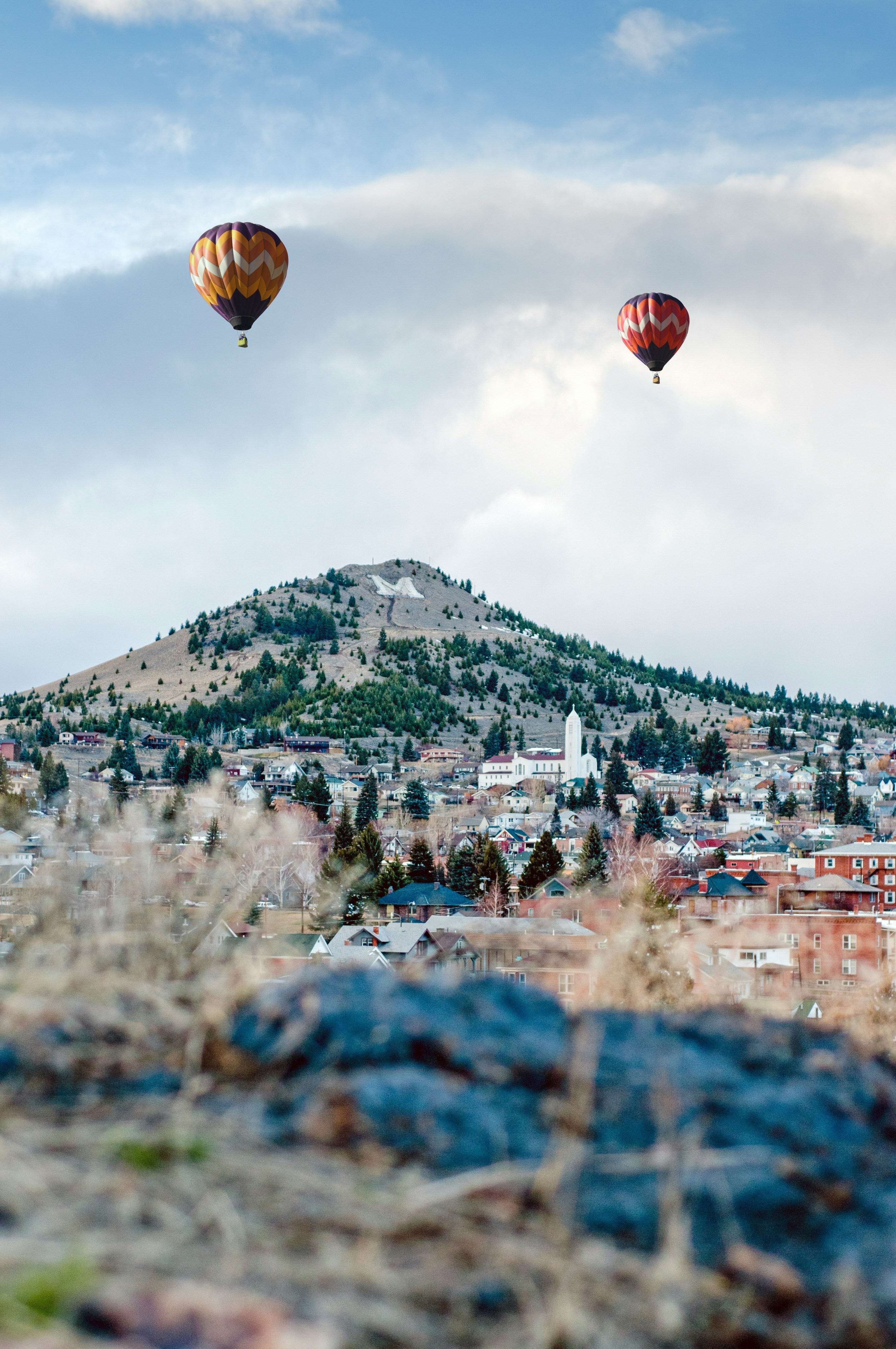
Butte’s run-up isn’t unique to it; it’s part of a Montana-wide reckoning. The median residential property in Montana was worth $378,000 as of early 2024, compared to $228,000 just four years before, a 66% increase driven largely by the pandemic-era migration surge. Butte, historically one of the more affordable corners of the state, got swept up in that tide too.
The copper miners who built those houses in Butte’s hillside neighborhoods probably never imagined them cresting $300,000. But then again, they didn’t imagine a lot of what came after, either. Reality is, this isn’t simply a Montana issue. It is happening everywhere: mountain towns, coastal cities, rural places turned resort destinations. The drone of progress keeps moving forward and I suppose we can either keep moving forward as well or find ourselves left behind by those we love because they are our future. Not the pull of a past that is exactly that, the past.
This isn’t nostalgia. Nostalgia is soft-edged and voluntary, a choice to look backward with affection. This is something harder; economic exile. The place that made us has priced us out. We didn’t leave because we wanted to. We left because we had to, and now we can’t afford to return even if we tried. Home became a luxury good while we weren’t looking, and the door shut behind us without a sound. But is it a bad thing? Or, an opportunity like Maya Angelou said, to be at home wherever we find ourselves? Hmm…